
 ·
4 minute read
·
4 minute read
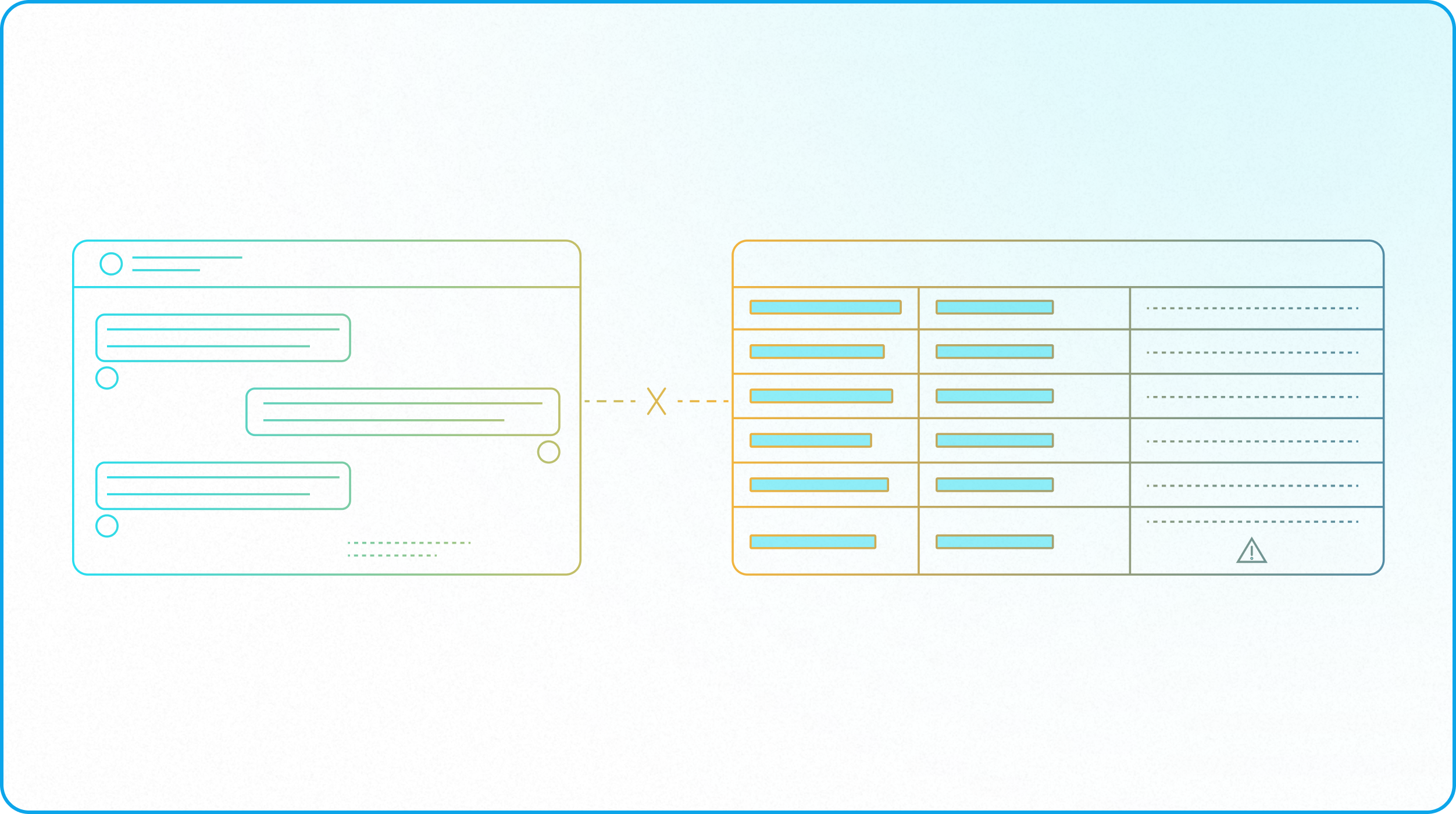
In media operations, approvals rarely wait for formal workflows:
-
Creative revisions are confirmed in Slack threads
-
Budget adjustments are acknowledged with a reaction
-
Campaign changes are agreed to in-channel. It feels fast, transparent, and aligned with how teams actually work
But Slack is a communication layer, not an approval one. When approvals live exclusively in Slack, they sit outside the system - Airtable - responsible for tracking spend, campaign status, and client accountability.
Slack Is Not an Audit Trail
Searchable history is not the same as audit integrity. An audit trail must answer clearly:
- Who approved the decision?
- Which version of the creative or budget was approved?
- When did the approval occur?
- What authority did that person hold?
- What changed after approval?
In media operations, those questions appear the moment budget, client approval, or performance reporting is challenged.
Slack, on the other hand, captures discussion:
-
Messages can be edited
-
Threads fragment context
-
Emoji reactions do not represent structured authority
-
Approval does not automatically update a system of record.
By contrast, a governed operational system must tie approval to:
- A defined campaign state change
- A timestamped record
- A preserved version of the approved asset or budget
- Role-bound authority
- An immutable change log
Governance and audit standards consistently emphasize traceability, documented control environments, and verifiable evidence of decision rights as prerequisites for accountability.
Airtable, when architected intentionally, supports activity logs and revision history tied to specific records and fields. But those capabilities only matter if approvals are actually captured within the governed system.
The deeper issue isn’t that Slack lacks logging; it’s that Slack separates approval from orchestration. That separation introduces a second layer of risk: operational drift between what was agreed to and what the system executes.
When Approval Becomes Ambiguous
The deeper risk here isn’t just traceability, It’s ambiguity. In media operations, approvals define the moment responsibility transfers:
- From draft to live
- From proposal to committed spend
- From internal review to client-facing execution
When that approval lives in Slack, the system of record has no authoritative signal that the transfer occurred. Instead, the organization relies on interpretation:
-
Did that message represent final approval?
-
Was that version the one intended to launch?
-
Did the person reacting have authority to commit budget?
In fast-moving media environments, ambiguity compounds quickly, once a campaign can move forward operationally while its approval remains conversational. That creates a structural gap between:
- What the team believes was approved
- What the system reflects as approved
- What leadership can defend as approved
The problem here is that Slack does not formalize decision authority, and without formalized authority, approval is a perception , not a controlled state.
This risk isn’t theoretical: in digital campaign management, unstructured approval processes have been shown to create confusion and inconsistent execution because they lack clarity around roles, stages, and accountability, underscoring the need for structured workflows that ensure speed without chaos.
What Enterprise Media Approval Actually Requires
When you’re running multi-stakeholder media work, approvals are not “communication”; they’re the point where spend becomes committed, creative becomes publishable, and client accountability becomes enforceable. In mature teams, approval as a controlled system event in the workflow, not a conversational artifact.
That difference shows up in three structural capabilities.
1) Approval as a State Transition, Not a Message
A Slack “approved” or a reaction can indicate intent, but it doesn’t create an operational fact; the fact is created when the system records the approval and moves the work forward.
In a governed media environment, approval should:
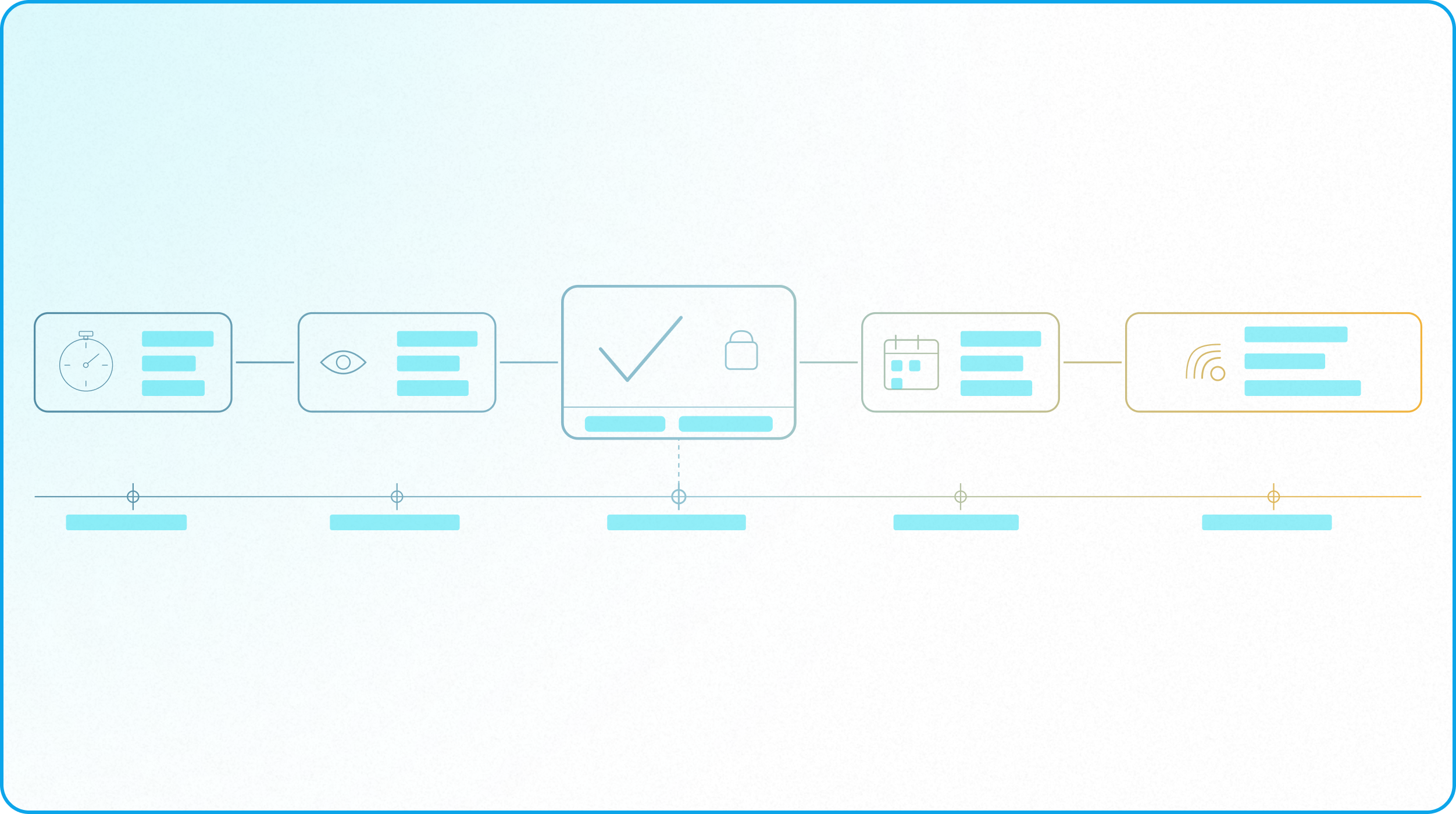
- Move a campaign through explicit lifecycle states (Draft → In Review → Approved → Scheduled → Live), so everyone is working from the same operational truth
- Lock downstream decisions once authorized (especially budget and launch timing), because late edits create reconciliation problems
- Freeze the approved creative/version at signoff, so the deployed asset is traceable to what was approved
- Trigger downstream updates automatically (status, reporting flags, stakeholder notifications), so execution reflects approval immediately
2) Authority Is Role-Bound, Not Assumed
In enterprise media teams, authority is a control requirement; a creative lead can approve a concept; finance (or a budget owner) approves spend; legal approves claims; client approvals have their own evidentiary requirements. When approval authority is ambiguous, organizations either slow down to avoid mistakes, or they move fast and accumulate exposure.
Control frameworks explicitly call out separation of duties and role-based authorization as a core way to prevent unauthorized actions and reduce risk; approvals and authorizations are standard control activities, not optional workflow “niceties.”
So controlled architecture defines, explicitly:
- Who can approve budget changes, and when that authority applies
- Who can approve creative release, and what “approved” means
- Who can override timelines, and what gets logged when they do
- Who can reopen a locked state, and what governance gate is required
That protects leadership, and it protects the system owner, because the platform enforces the boundary instead of relying on interpretation.
3) Execution and Reporting Must Reflect Approval Immediately
This is where Slack-first setups break in practice.
In media, the “approved” moment is the moment reporting starts to matter: spend attribution, pacing, client comms, and performance narratives all assume the approved state is the truth. If execution can proceed while approval lives only in Slack, you get two realities: what the team believes, and what the system can prove.
A governed system needs:
- A recorded approval event tied to the campaign/work item
- A preserved history of changes after approval
- A defensible audit trail for who changed what, when, and how that impacted state
Airtable supports this through enterprise audit logs (organization-level) and record-level revision history (record-level traceability), which is what makes approval defensible when it’s captured in-system rather than inferred from a thread.
How to Fix Slack-First Approvals
If approvals are happening in Slack today, the fix is to relocate authority.
In practice, that means:
- Approval captured inside the workflow engine, not inferred from a thread
- State transitions triggered by authorized roles
- Budget, creative, and launch status locked at sign-off
- Dashboards and reporting pulling only from governed states
- Audit history tied directly to the record, not the conversation
This is how approval becomes enforceable instead of interpretive.
It’s the same principle we apply in enterprise retail environments, where regional rollout approvals, SKU readiness, and launch timing must be locked and traceable across markets. The architecture is different; the discipline is the same: approval drives system behavior.
Architecture, Not Automation
Most teams try to solve Slack-first approvals with more automation, but that’s not the solution.
The solution is architectural:
- Encode authority into the system
- Tie approval to lifecycle control
- Preserve decision evidence
- Align execution with approved state
That is the difference between a collaborative workflow and an operational infrastructure. If approvals are business-critical — affecting spend, client commitments, or reporting - they need to live inside governed architecture.
If your approval logic still depends on Slack discussion rather than governed state transitions, we can help evaluate your setup, identify architectural gaps, and design a solution leadership can confidently scale.