 ·
3 minute read
·
3 minute read
When an Airtable environment starts to scale, the first constraint isn’t performance.
It’s the internal builder.
As adoption grows, that builder becomes the central approval layer for schema changes, automation edits, reporting adjustments, and integration fixes. The system hasn’t matured; it has centralized.
This dynamic mirrors what modern platform engineering addresses: internal systems must evolve from being person-dependent to offering structured, self-service capabilities that reduce reliance on individual gatekeepers.
Airtable makes it easy to build, but it does not automatically make it easy to delegate.
The Structural Dependency Problem
In early stages, centralizing decisions accelerates progress: one capable builder can move faster than distributed ownership.
At scale, that same pattern becomes fragile:
- Schema logic lives in one person’s head
- Automation side effects are undocumented
- Reporting dependencies are implicit
- Workflow transitions require interpretation
When interpretation is required, the system depends on the interpreter.
Platform engineering communities describe this as a failure to convert internal tooling into a true internal platform, one that standardizes workflows and reduces cognitive load for teams. Airtable environments hit this inflection point quietly because configurability hides architectural debt.
This is also where InAir draws a critical distinction between a “build” and a “system”, when architectural guardrails are absent, growth increases dependency rather than resilience.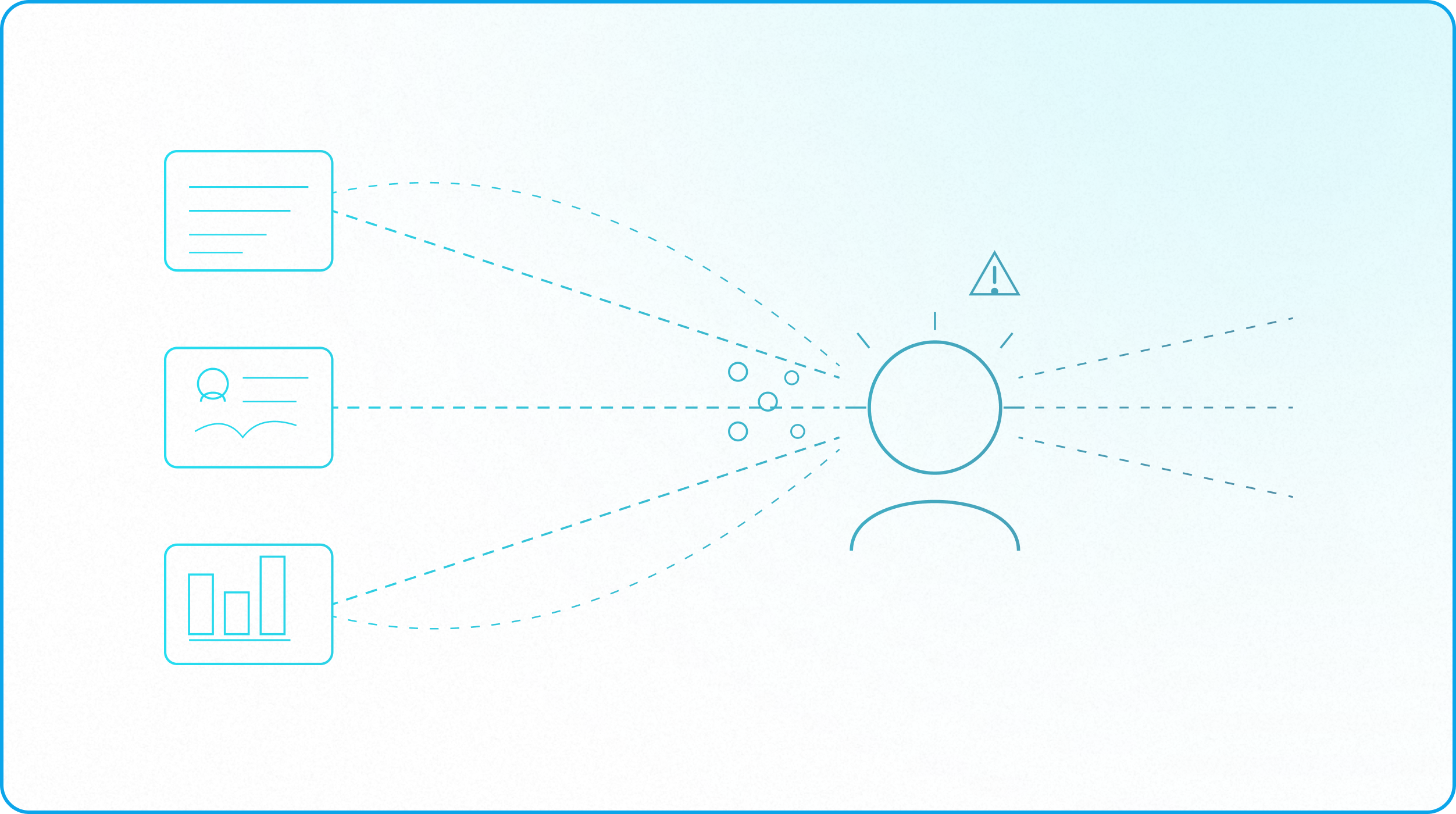
Builder vs Platform Owner
A builder solves problems. A platform owner designs boundaries. When every change request routes through the same person, the internal builder becomes a compression layer for architectural judgment. Some of those requests usually are:
- “Can we add this field?”
- “Will this break reporting?”
- “Is this safe to modify?”
- “Can we adjust this automation?”
Domain-driven platform engineering argues that scalable systems require explicit ownership boundaries and clear domain separation, not centralized decision-making. Without that shift, growth produces hesitation.
How To Know It’s Happening To You
You’re becoming the bottleneck if:
- Teams wait for your approval on minor schema edits
- You hesitate before touching “core” tables
- Vacation coverage feels risky
- Reporting breaks when small fields change
- You are the only person who understands cross-base dependencies
That’s not workload pressure: it's structural dependency. This transition, from contributor to governance layer, is exactly what platform engineering disciplines attempt to formalize as systems scale.
What You Can Actually Do Now
If you’re in this transition, start here:
1. Map Recurring Architectural Decisions
List the top 10 change requests from the past quarter.
For each, ask: does the system define whether this change is safe, or do I?
If the answer is “me,” your architecture is absorbing complexity through a person.
2. Define Structural Boundaries and Enforce Them
Segment your environment into three explicit layers:
- Core schema — reporting contracts, shared integrations, canonical definitions
- Operational workflows — team processes that consume the core schema
- Experimental surfaces — controlled areas where teams can test changes
Then do something concrete with that segmentation:
- Lock down structural changes in the core schema and document change criteria
- Allow controlled configurability inside workflow layers without risking reporting integrity
- Isolate experimentation so iteration doesn’t silently alter production logic
If a change request touches reporting or shared integrations, it should trigger a boundary review.
If it lives inside a workflow surface, it should not require your intervention.
The goal is not more control, but to reduce the number of decisions that escalate to you.
3. Replace Approval Culture with Constraint Design
Design your system so that constraints carry decisions. That means:
- System-enforced constraints that prevent invalid state transitions
- Conditional interfaces that only expose valid, context-appropriate actions
- Documented schema contracts that encode structural rules
- Explicit ownership of decision domains so responsibility is clear
This approach aligns with the Separation of Concerns (SoC) principle in software engineering, which advocates decomposing systems into independent parts so that they can evolve and be maintained independently without central points of decision overload.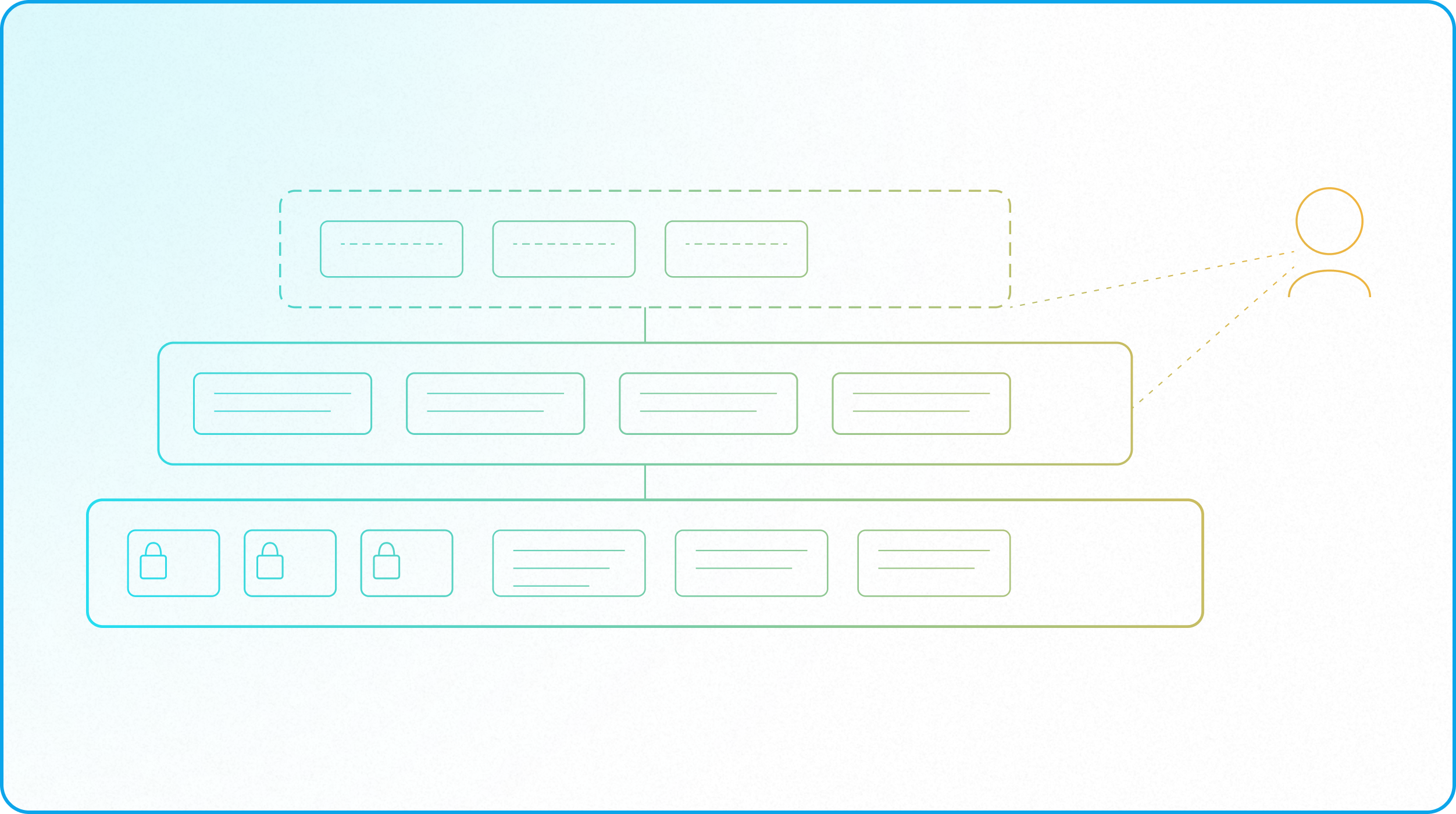
Why This Matters
When the internal builder becomes the long-term compression layer, the system doesn’t just slow down, it becomes fragile:
- Growth increases the volume of change requests
- Fragility increases the cost of making them
At that point, two patterns emerge:
- Teams hesitate to change shared logic because impact is unclear.
- The builder becomes the informal governance model.
When architectural judgment lives in one person, the system cannot evolve independently of them. Every meaningful change requires centralized interpretation, and that dependency limits how safely and confidently the organization can adapt.
The shift from builder to platform owner is not about title. It’s about redesigning the system so architectural decisions are encoded into boundaries, constraints, and ownership, not retained in one person’s head.
Most teams attempt to solve this by adding more implementation capacity, and that increases throughput without removong structural dependency.
How InAir Can Help
Most Airtable agencies respond to bottlenecks by adding implementation capacity, but we approach it differently: as Airtable consultant experts, we redesign the architectural layer so internal builders stop being dependency nodes.
That includes:
- Clarifying domain boundaries
- Stabilizing reporting contracts
- Designing responsibility-based interfaces
- Making safe changes obvious and unsafe ones impossible
The goal isn’t to replace the internal builder, but to elevate them from reactive approver to intentional platform owner.
If you’re evaluating whether your Airtable environment is scaling through architecture or through personal dependency, that’s a conversation worth having.