
 ·
4 minute read
·
4 minute read
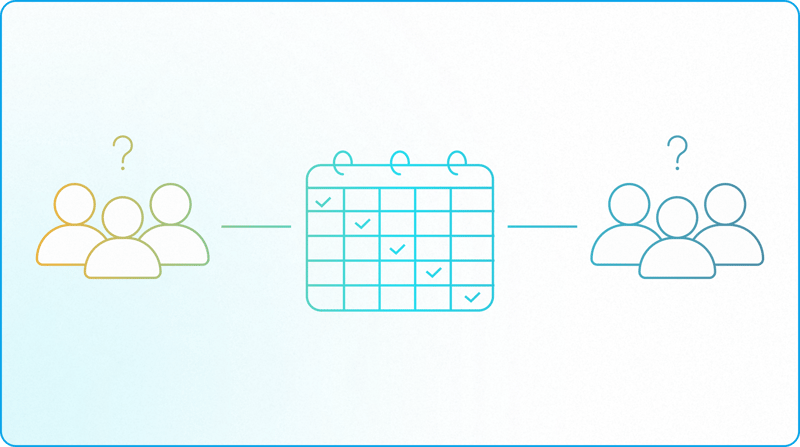
Most healthcare teams assume governance lives in permissions, roles, or approval rules. Those matter, but they don’t determine how work actually moves day to day. What really shapes behavior is what people see, when they see it, and what the system implicitly tells them they’re allowed to do next.
In Airtable, that control layer isn’t the base: it’s the interface.
By the time an Airtable system reaches enterprise healthcare teams, the base is no longer the primary surface of work:
Program managers, clinical ops, compliance, and leadership don’t live in tables, but work through interfaces, rely on dashboards and act on what appears ready, blocked, or approved in front of them.
That’s where governance starts to take form.
This is a pattern we see consistently once Airtable moves beyond a delivery tool and into ongoing operational use, especially in environments where regulatory expectations extend beyond the original build.
The subtle mistake teams make early
Most teams design interfaces to support delivery, focusing on visibility, progress, and speed, making sure everyone can see the work as soon as it exists.
At launch, this feels responsible:
- Records appear immediately
- Statuses are selectable
- Downstream teams can see what’s coming
Nothing about this feels risky at first. The issue shows up later, when visibility starts carrying consequences:
-
A record that is still under review looks the same as one that has been cleared
-
A status that means “draft” to one team reads as “good enough” to another
-
Interfaces make work feel ready before the system has decided that it actually is.
That’s not a permissions problem. It’s a control problem.
Delivery surfaces versus durable systems
In a nutshell, delivery optimizes for momentum, while durability optimizes for consistency over time. But interfaces designed only for delivery tend to:
- expose work before it’s decision-ready
- allow actions before conditions are met
- blur the difference between review and approval
At small scale, teams compensate manually. At enterprise scale, especially in healthcare, compensation turns into risk.
This distinction between delivering work and sustaining it over time is a common failure point in regulated operations, where systems are expected to explain decisions long after they were made.
Why interfaces become the real control layer
Interfaces don’t just display data; they shape behavior:
-
What appears editable feels allowed
-
What appears final feels approved
-
What is hidden stops being considered
In practice, interfaces answer questions users don’t consciously ask:
- Can I act on this now?
- Is this done or still in motion?
- Am I responsible here, or just informed?
When those answers are ambiguous, teams fill in the gaps themselves, and that’s how governance quietly shifts from the system to people.
How mature teams use interfaces differently
Teams that treat Airtable as a long-term operational system, design interfaces around state, not just access, making clear distinctions between:
- Work that exists versus work that is cleared
- Visibility for awareness versus visibility for action
- Progress tracking versus decision readiness
Those distinctions do more than organize information, dictating what people feel allowed to do next. When interfaces make state explicit, teams stop relying on judgment calls and shared assumptions, and actions happen only when the system signals that conditions have been met.
That’s how governance starts to live in the flow of work rather than in settings or documentation, a pattern seen across mature healthcare operations platforms where clarity of state consistently reduces downstream risk.
Interfaces as evolution paths, not launch artifacts
What changes for enterprise teams isn’t the tool, it’s what the system is being asked to carry: at launch, interfaces are built to help teams execute: they surface work quickly, reduce friction, and keep things moving. That’s appropriate when the primary goal is delivery.
Over time, the same system starts carrying more responsibility, specially when decisions made inside Airtable begin to affect compliance reviews, leadership reporting, and downstream teams who weren’t part of the original build. At that point, interfaces are no longer just helping people work, but shaping how decisions are interpreted.
That’s when teams start needing interfaces to do different things, not just show progress, but signal readiness. Not just expose data, but make state unambiguous. Not just support action, but hold up when someone asks later why a decision was made.
Systems that hold up over time anticipate that shift. Their interfaces evolve as the meaning of the work evolves. Systems that struggle tend to lock interfaces in their original delivery shape, even as the stakes around them increase.
This is one of the reasons Airtable feels different once it becomes part of enterprise operations rather than a launch-time solution. This is part of why Airtable feels different at enterprise scale.
A practical way to pressure-test your interfaces
If you’re responsible for healthcare operations in Airtable, the most useful test is to walk the system the way your teams already do. Interfaces are not neutral; what users see and are able to act on shapes behavior more than backend rules, because those rules only matter when the interface makes them actionable.
Start with three interfaces, in this order:
1. The interface where work is created
This is usually used by program or operations teams. Ask yourself:
- What actions are possible here immediately?
- Can someone move work forward before required reviews happen?
- Does the interface distinguish between “draft,” “under review,” and “cleared,” or do those states blur together? Making state explicit isn’t cosmetic; it’s how teams reduce downstream confusion and prevent action from happening before conditions are met.
2. The interface where work is reviewed
This is often compliance, legal, or quality. Ask yourself:
- Can reviewers see exactly what they are responsible for approving?
- Is it obvious what happens after they act?
- Does their action change the state of the work in a visible, unambiguous way? In regulated environments, review only works when responsibility and outcome are explicit. If a reviewer can’t see what their action authorizes next, approvals turn into conversations instead of decisions.
3. The interface leadership looks at
This is where issues usually surface. Ask yourself:
- Does this view show activity, or does it show decision-ready work?
- If they asked “why did this move forward,” could the interface answer that on its own?
- Would a leader assume something is safe to proceed based on what they see here? When leadership views mix activity with decision-ready signals, teams end up interpreting data instead of trusting it.
If a record looks actionable in one interface but unresolved in another, the system is relying on people to hold the rules together mentally. That’s where governance starts slipping, even if permissions and approvals technically exist.
Where teams usually go next
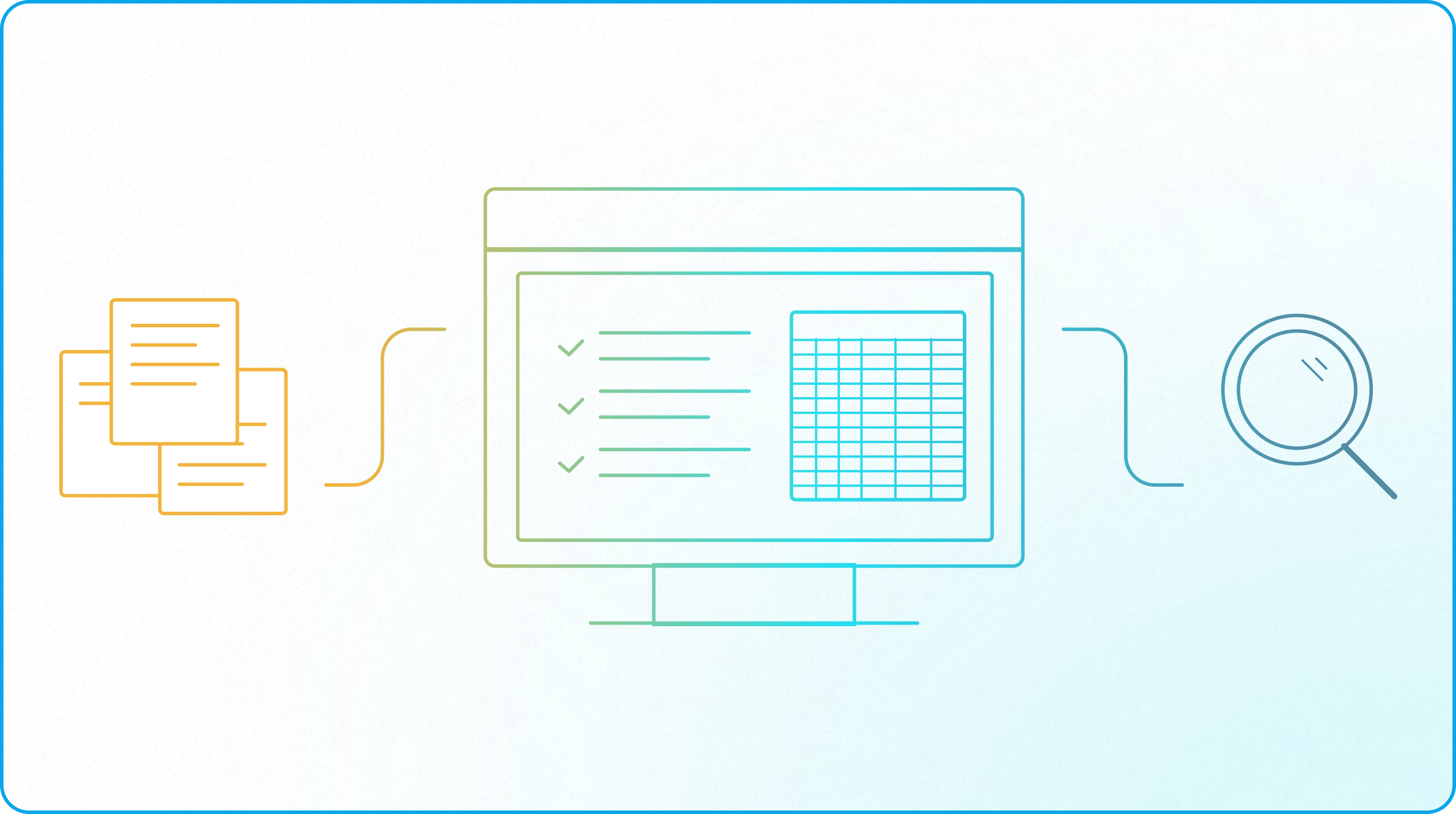
Teams that address this don’t start by tightening permissions or adding more checks. They start by reshaping interfaces so the state is unambiguous. In mature operating models, governance is embedded in how work flows through the system, not layered on afterward as additional controls:
-
Actions only appear when prerequisites are met
-
Review and approval look different, not just conceptually but functionally
-
Leadership views surface work that is ready to be acted on, not work that simply exists
The base often stays largely the same. What changes is that interfaces stop depending on shared understanding and start enforcing clarity through what they show and allow. This is the same shift regulated organizations make when they move from policy-driven governance to workflow-embedded governance.
For healthcare teams, this is usually the point where Airtable becomes dependable inside regulated operations rather than something that needs constant interpretation. It’s also where teams often bring in experienced partners, like InAir, to help align interfaces with how responsibility actually flows as systems mature.