







99 Consolidates Strategic Portfolio Governance Through A Centralized Data Platform
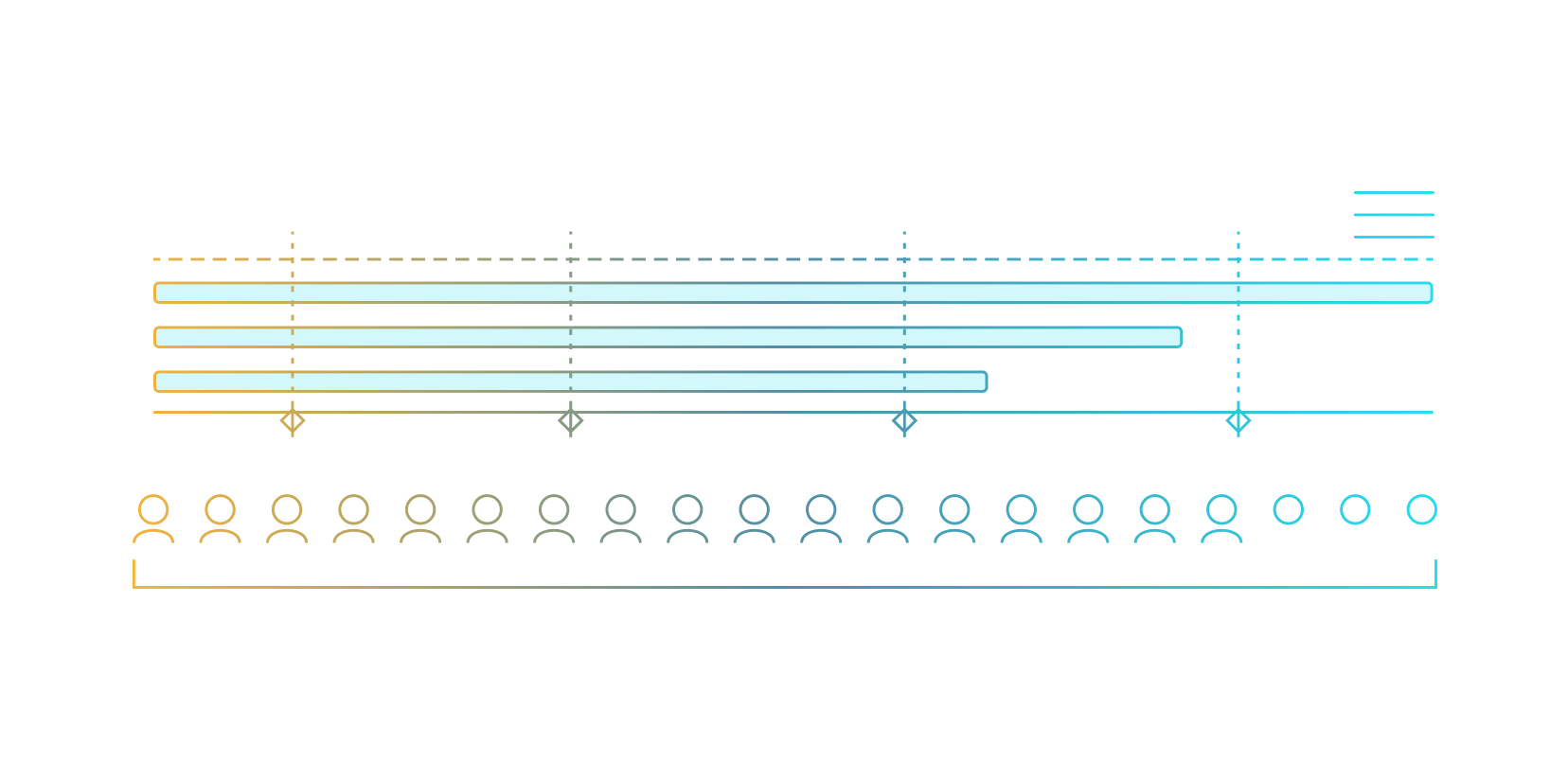
CONTRIBUTORS TRACKED ACROSS STRATEGIC INITIATIVES
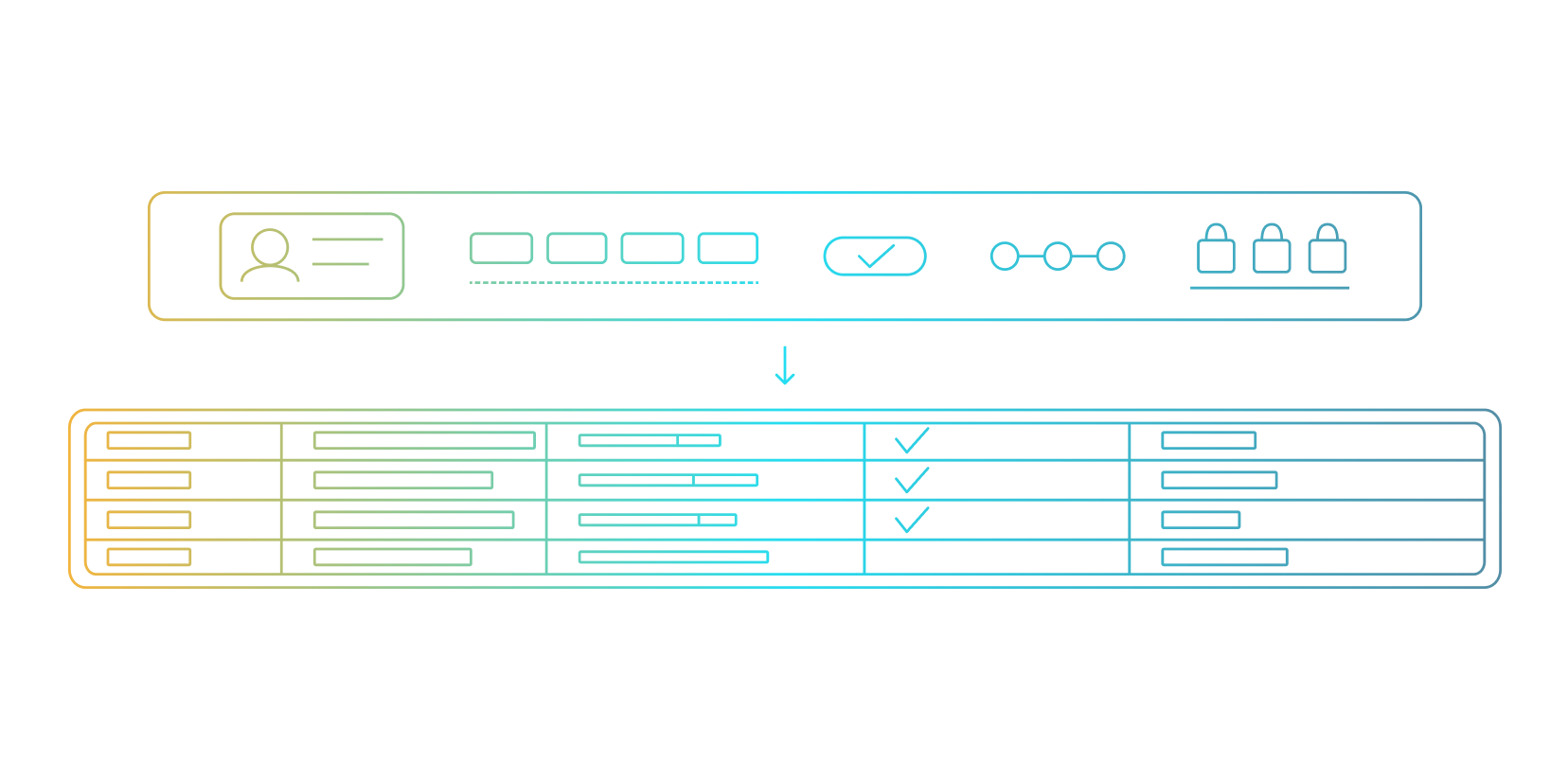
CORE MODULES STRUCTURING PORTFOLIO GOVERNANCE
CENTRALIZED REPORTING OF MILESTONES, KPIS, AND TEAM PROGRESS

PROJECT OVERVIEW
Airtable Became The Core System Powering Cross-Functional Portfolio Execution.
99, a Brazilian on-demand mobility and services platform, engaged InAir to consolidate strategic initiative tracking into a single, governed portfolio system, with Airtable operating as the central layer for execution visibility and reporting.
The work focused on unifying initiative records, enforcing data integrity standards, integrating CRM-linked project creation logic, and delivering a portfolio dashboard that connected project progress to business-facing performance metrics. This architecture brought cross-team tasks, milestones, and reporting outputs into a controlled structure designed to support decision-making without manual compilation.


CHALLENGE
Disparate Metrics And Fragmented Views Made Portfolio Execution Hard To Govern.
As 99’s initiative portfolio expanded, visibility into execution and performance became fragmented.
Key constraints included:
-
Inconsistent project identifiers between CRM-originated work and internal tracking, creating duplication risk and unreliable rollups.
-
Disconnected progress and performance measurement, where project execution status did not consistently map to the metrics stakeholders cared about.
-
Reporting friction, requiring teams to assemble budgets, purchase orders, invoices, and progress updates through manual effort.
-
Data integrity risk, including the possibility of deleting projects or modifying key classification fields, weakening governance and downstream reporting reliability.
99 needed a single system that could govern portfolio structure, protect data integrity, and surface real-time progress through standardized reporting views.

SOLUTION
Custom Architecture Unified Portfolio Structure, Reporting, And Governance Controls.
InAir delivered an integrated portfolio ecosystem with Airtable as the core execution and reporting layer.
The solution included:
-
Portfolio > Project List architecture to eliminate duplicate identifiers and create a stable system of record for strategic initiatives.
-
CRM-linked project logic, including planned auto-numbering patterns and “Won” status alignment to support consistent project creation and lifecycle tracking.
-
Integrated Project Portfolio Dashboard (V4) consolidating initiative progress, tasks across teams, review steps, and portfolio-specific attributes into a unified view.
-
Module-based structure across six core areas (Portfolio, cross-project views, future concepts, partner base, vendor base, configuration matrix) to organize execution data and reduce operational noise.
-
Governance safeguards preventing deletion of live projects, enforcing stability of key classification fields, and removing test records to protect reporting accuracy.
-
Reporting interfaces enabling access to internal budgets, client-facing budgets, hourly tracking, and detailed purchase order and invoice lists, supported by cleaner UI patterns for usability.
-
Visualization enhancements including timeline bars showing target, planned, actual/expected, and risk-adjusted milestones; plus chart-based reporting formats for executive consumption.


RESULT
Centralized Visibility Improved Oversight Across A High-Complexity Initiative Portfolio.
The portfolio system created a governed operating layer for strategic initiatives, giving teams a unified way to manage execution and report performance.
Outcomes included:
-
163 contributors visible in a single portfolio context, improving accountability and reducing the coordination burden of multi-team initiatives.
-
Dashboard versioning (V4) that stabilized reporting and supported consistent executive-facing views as the system evolved.
-
A structured six-module portfolio foundation that reduced duplication, clarified initiative ownership, and improved navigation across related workstreams.
-
Higher reporting reliability through data integrity controls and test-data cleanup, reducing risk of broken rollups or inconsistent portfolio views.
-
Faster access to financial and operational reporting outputs through a consolidated reporting interface designed for practical use.