Skip to content
file_RedoWeb_Homepage_Logo_ralph lauren_20251009.png

Ralph Lauren Recovers Millions in Write-Offs with Real-Time Material Intelligence

How unified inventory tracking across 6 global regions turned year-end write-offs into weekly reallocation decisions.
20
%

WRITE-OFFS REALLOCATED BEFORE RECOVERY WINDOWS CLOSE

2400
+

HOURS FREED ANNUALLY ACROSS ALL REGIONS

95
%

DAILY COMPLIANCE ACROSS ALL 6 REGIONS WITHIN 3 MONTHS

Project Overview

PROJECT OVERVIEW

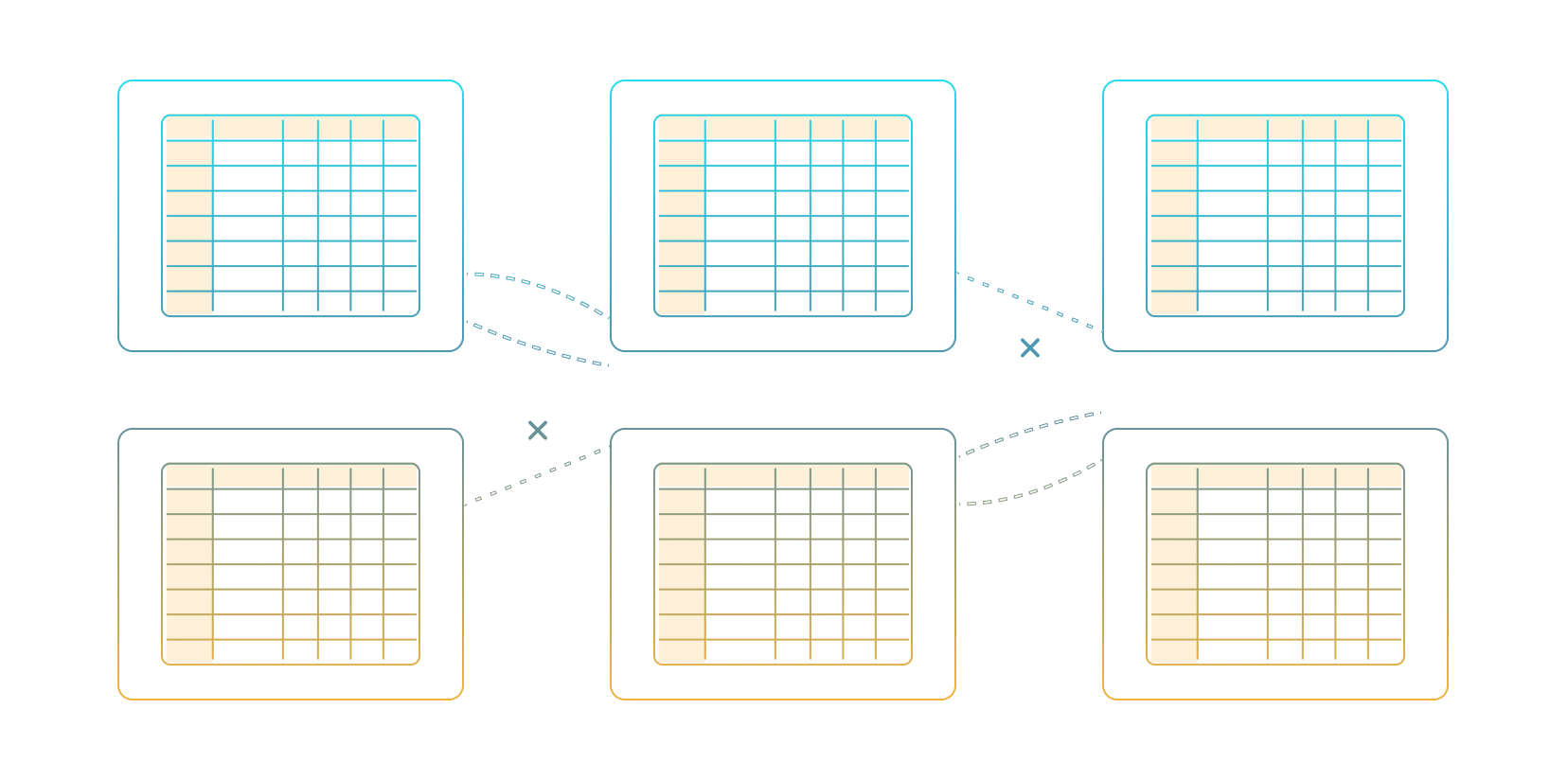
Every year-end close, Ralph Lauren discovered millions in excess inventory across 6 regional warehouses they couldn't see:

  • Six separate Excel files
  • No way to query across them
  • By the time anyone found an excess item manually, the buying window had closed
  • Millions written off

Ralph Lauren operates 10+ brands with different seasonal calendars and sourcing practices. Tracking at color/lot level creates thousands of SKUs, and spreadsheets couldn't enforce business logic across 6 regions without breaking.

On top of that, one analyst held the mental model. When she transferred, the system collapsed.

Ralph Lauren needed each region to control their own data, but the company needed real-time visibility across all regions to match excess in one place against open orders in another.

Our team of Airtable experts built a system where regions enter what they have and what they used, and the system alone calculates everything else: liability, matches against open orders, reallocation opportunities. One formula runs globally across all brands and seasons.

All 6 regions migrated within 3 months with >95% daily compliance. The system worked reliably from day one, so teams decommissioned spreadsheets immediately: excess inventory is now identified the moment it becomes excess, not discovered during year-end close when reallocation is already impossible.

ralph-lauren-inventory-management-airtable-system.jpg

Challenge
 

CHALLENGE

Ralph Lauren's 6 regional offices each maintained separate Excel files tracking bookings, consumption, and available inventory. Every week, someone had to manually pull data from all 6 regions, reformat it, and consolidate it into one report to see what material was available globally. This took 8+ hours per region.

No mechanism existed to match excess inventory in one region against open orders in another. When Bangladesh had excess material and Italy needed it, there was no way to see it. Buying decisions were made in isolation. Material was written off instead of reallocated.

Each region calculated inventory differently, leading to inconsistent liability tracking. Unused material went untracked until year-end close. In summary:

No Cross-Regional Visibility Excess inventory in one region couldn't be matched to open orders in another. Reallocation required manual email coordination across teams and regions. By the time it happened, buying decisions were already locked and supplier commitments made.

Manual, Error-Prone Consolidation Each region calculated "available inventory" differently. One used booked minus consumed. Another included pending shipments. A third used a completely different taxonomy. By the time data consolidated, it was stale and decisions were made on unreliable numbers.

Year-End Surprise Write-Offs Liabilities weren't discovered until November year-end close. By then, the reallocation window was already closed. Material that could have been saved was written off.

System Fragility One analyst held the mental model of how the system worked. Tribal knowledge. Broken formulas. When she transferred, months were lost rebuilding from inconsistent spreadsheets.



Solution
 

APPROACH

Instead of 6 separate Excel files, we built one centralized Airtable ledger. Each region enters what inventory they have and what they've consumed. The system calculates everything else: liability, what excess exists, which other regions can use that excess.

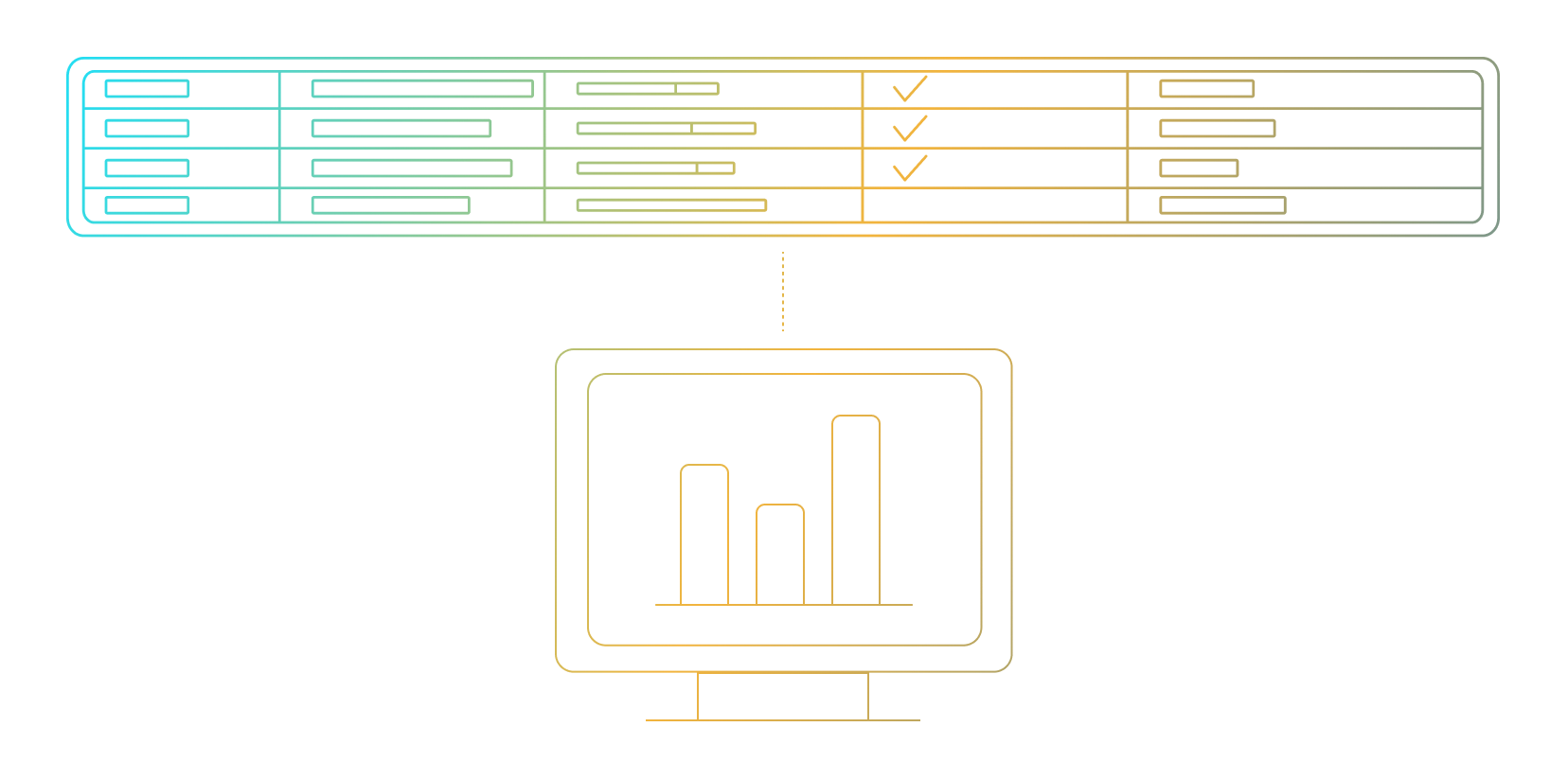
One formula runs globally, with no manual roll-ups, no errors. When a region enters their numbers, the system instantly knows what's excess and matches it against open orders across all other regions, so regional managers see the matches in real-time, and can now update their data once a week in 15 minutes.

The main gain the Ralph Lauren team gained was the system ability to stay in sync across all brands and seasons, once all regions feed the same ledger. Everyone sees the same inventory status at the same time. Now, the team had in their hands:

  • Permission ModelRegional managers update only their columns. One region's error won't cascade. Global dashboards auto-aggregate their inputs into unified visibility for executives.
  • Automated Liability Flagging Liability recalculates on every entry. If fabric was booked for a season that's passed with zero consumption, it's flagged automatically. Not quarterly. Not monthly. When the problem exists.
  • Cross-Regional Reallocation Intelligence Excess inventory automatically matches against open orders across regions. Decision-making happens while recovery is still possible.
  • Calculation Layer That Scales All roll-ups use the same formula globally. Change a rule once. It propagates everywhere. No regional spreadsheets to update individually.


ralph-lauren-global-inventory-visibility-dashboard.jpg

Result
 

IMPACT

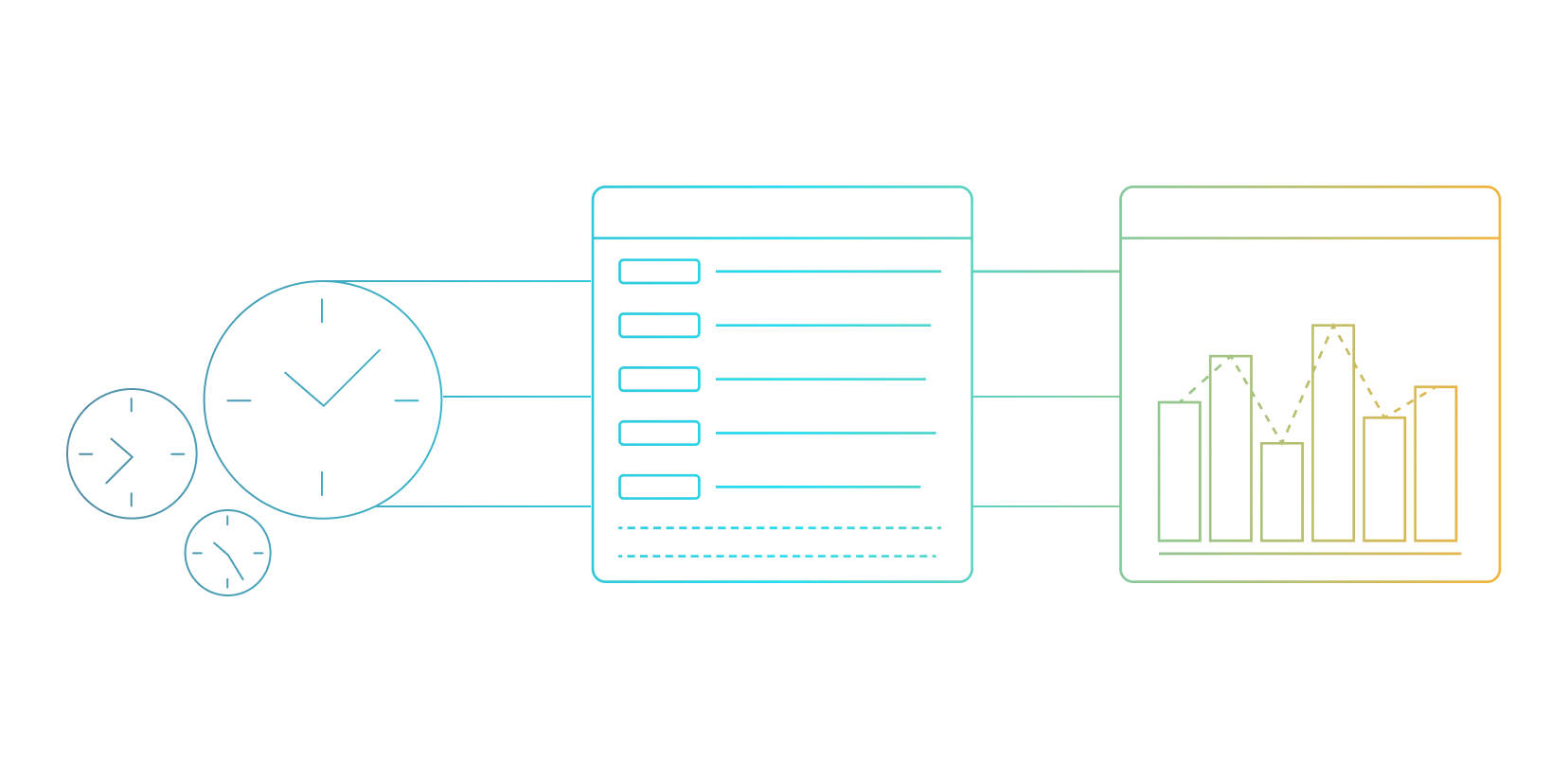
Consolidation dropped from 8+ hours to 30 minutes per region per week. Teams entered data once. The system flagged excess inventory and matched it against open orders across regions automatically.

Regional teams gained visibility into color/lot-level inventory by brand and season. Write-offs decreased. Suppliers could be negotiated with real data instead of guesses. The system created a liability diary that tracked unused inventory in real-time instead of discovering it at year-end.

The Numbers:

• Weekly consolidation: 8+ hours → 30 minutes per region

• 15-20% reduction in write-offs through proactive reallocation

• Real-time liability tracking across all brands and seasons

• Supplier negotiations now backed by actual inventory data

• System scaled to 4,300+ records with architecture ready for 10,000+

ralph-lauren-inventory-liability-tracking-airtable.jpg
inair-cube-icon
inair-cube-icon
Proven Results

Related customer stories

riot-games-logo


Architected a global Airtable backbone for 40+ teams—replacing 300+ disconnected tools.

teachstone-logo


Transformed distributed processes into one cohesive, auditable system, with zero operational disruption.

takeda-logo.


Streamlined critical reporting workflows and brought transparency to compliance-driven operations.

inair-cube-icon